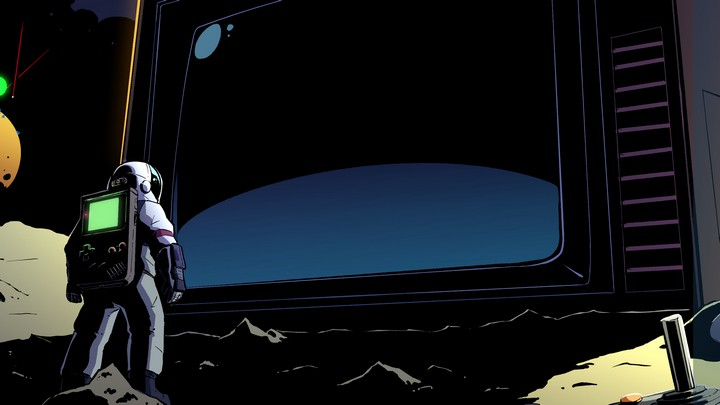

Travel Back to When Physical Media was The Future
NEC and Hudson knew that it was shiny indeed, and about 12cm diameter.
Sony recently announced that it would be the first of the console manufacturers to rip away the Band-Aid of the past and do away with the ages-old concept of distributing games on physical media. This made many people angry and was widely regarded as a bad move, but nevertheless the company seems determined to stick to its guns. But you can't say that you haven't seen this coming. I remember sitting in a group interview with Shuhei Yoshida during Sony's big PlayStation 4 reveal and thinking that all the talk of game streaming and consoles as a mutable device spelled curtains for traditional consoles and physical media. This, incidentally, was the same morning that Ziff-Davis killed 1UP.com once and for all, so I really felt like I was standing at the precipice between the warm fuzzy feelings of the past and the cold reality of the future.
Good thing we have our memories, eh? And, for those who don't remember when things seemed exciting and bursting with potential, you have old men like me penning video essays about the days when technology promised to open the world to glorious new potential rather than costing a lot more so that robots could plagiarize art while building the Panopticon. Enter—or re-enter—the TurboGrafx CD.
If you are old enough to remember when CDs first became a reality, whether as a format for music or as a data storage medium, you remember that heady sensation of possibility. CDs seemed like they could do so much, yet they were so tiny! Compared to the cumbersome crackle of vinyl, the warbling fragility of cassettes, and the magnet-sensitive delicacy of diskettes, CD-ROMs offered almost immeasurable storage capacity and brought cool new experiences and sensations to video games.
Personally, I didn't have the funds to get into CDs until 1993—that's the year I bought a CD-compatible stereo with earnings from my menial teenager job and invested a big chunk of change into a CD-ROM drive and the extra 4MB of RAM my computer needed to run it (a roughly $600 expense all told). But even before I finally entered that glorious world of the future for myself, I was keenly away of CDs and CD-ROMs and all that they represented.
Forget the common divisions of that period of history into Showa/Heisei or Reagan-Bush/Clinton. The real future began when CDs achieved mass-market saturation and every teenager in America bought Nevermind on a compact disc. And NEC and Hudson were there, leading video games into that incredible future where things would just keep getting better and better, with the TurboGrafx CD.....